Intro
Your throws plus your time is your score.
It isn't a rushed round of disc golf. It's a different sport with a different tension: a birdie is worth one point, and so is a minute. Every choice out there is a trade between them.
New to this? How to play →
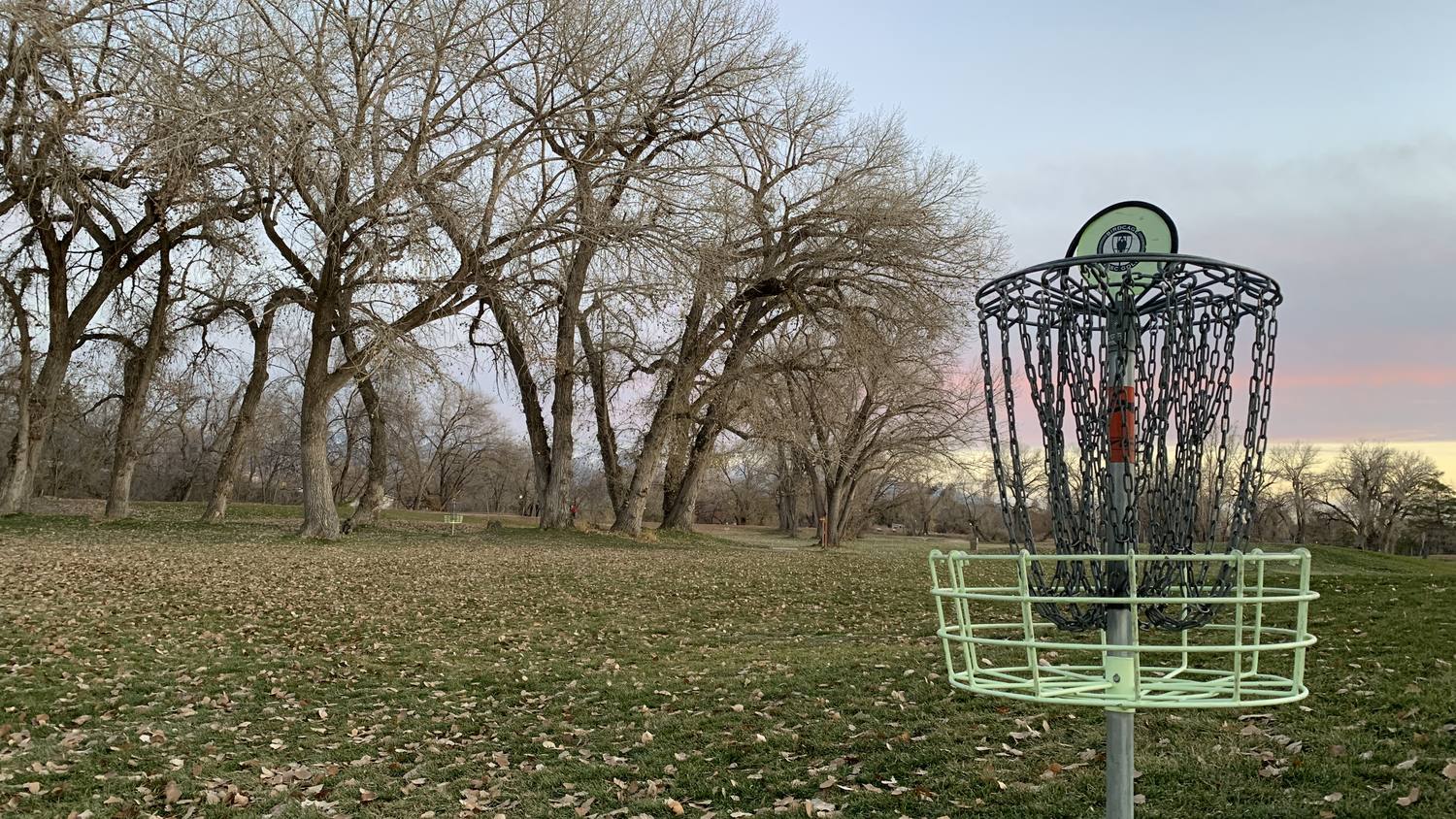
One number
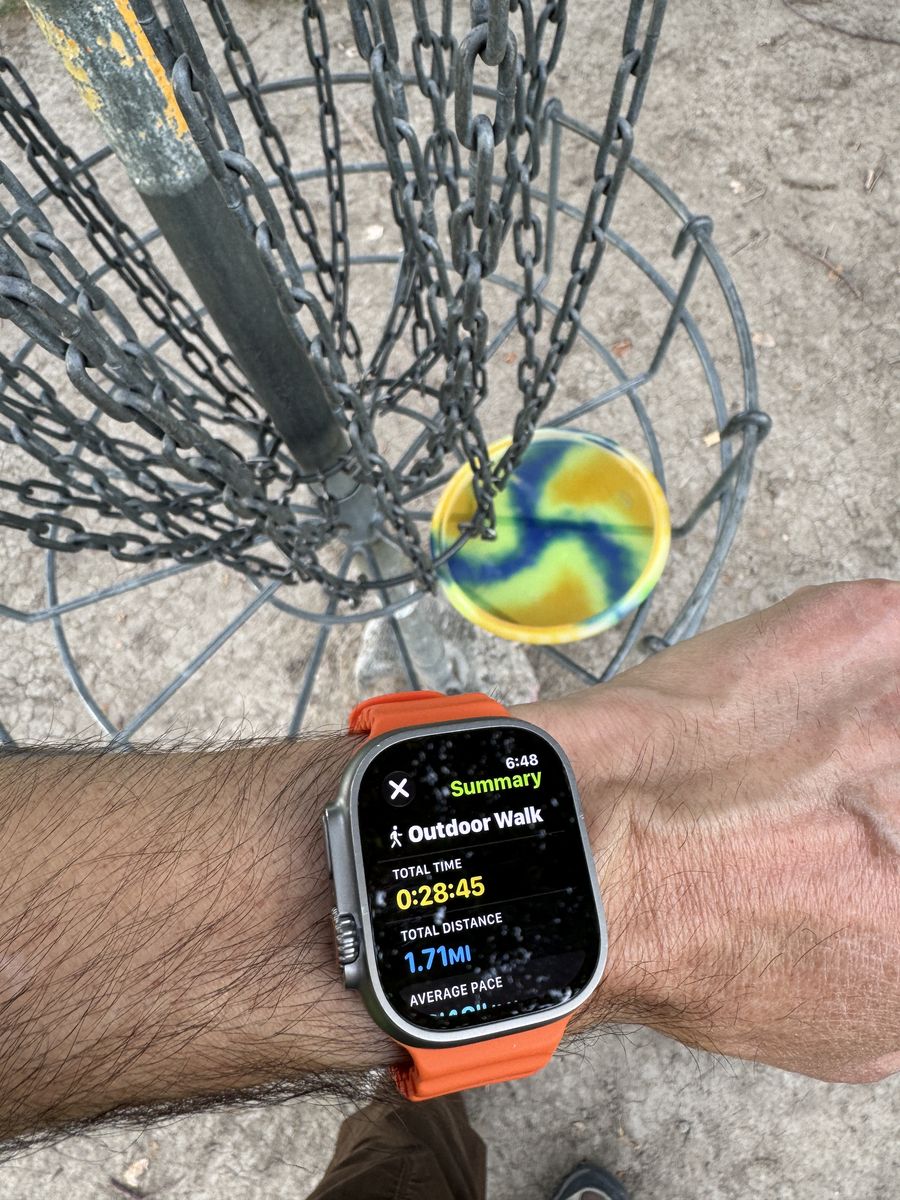
52 THROWS + 28:45
80:45
"An eighty forty-five"
Add your throws to your minutes and read the result as a time. Lower wins. There is no separate winner for score and time, and no category for people who were only fast or only accurate. One number holds both.
The three rules
Your score is your throws plus your time.
The clock starts before your first throw and stops when your last putt comes to rest. Not at the car. It never pauses, and any stopwatch counts.
You don't need a marker.
Throwing the same disc you just picked up? Skip the mini. Take your stance with no supporting point ahead of where the front of your disc lay, and throw. This applies everywhere, putts included.
Your bag can stay on.
You don't have to take it off to throw. Shoulder, backpack, cart, or set it down at the tee. Nothing about how you carry your discs is against the rules, and there is no limit on how many you bring.
Everything not modified here follows the PDGA Official Rules of Disc Golf. That is the whole format — one idea and two clarifications. How to play a first round →
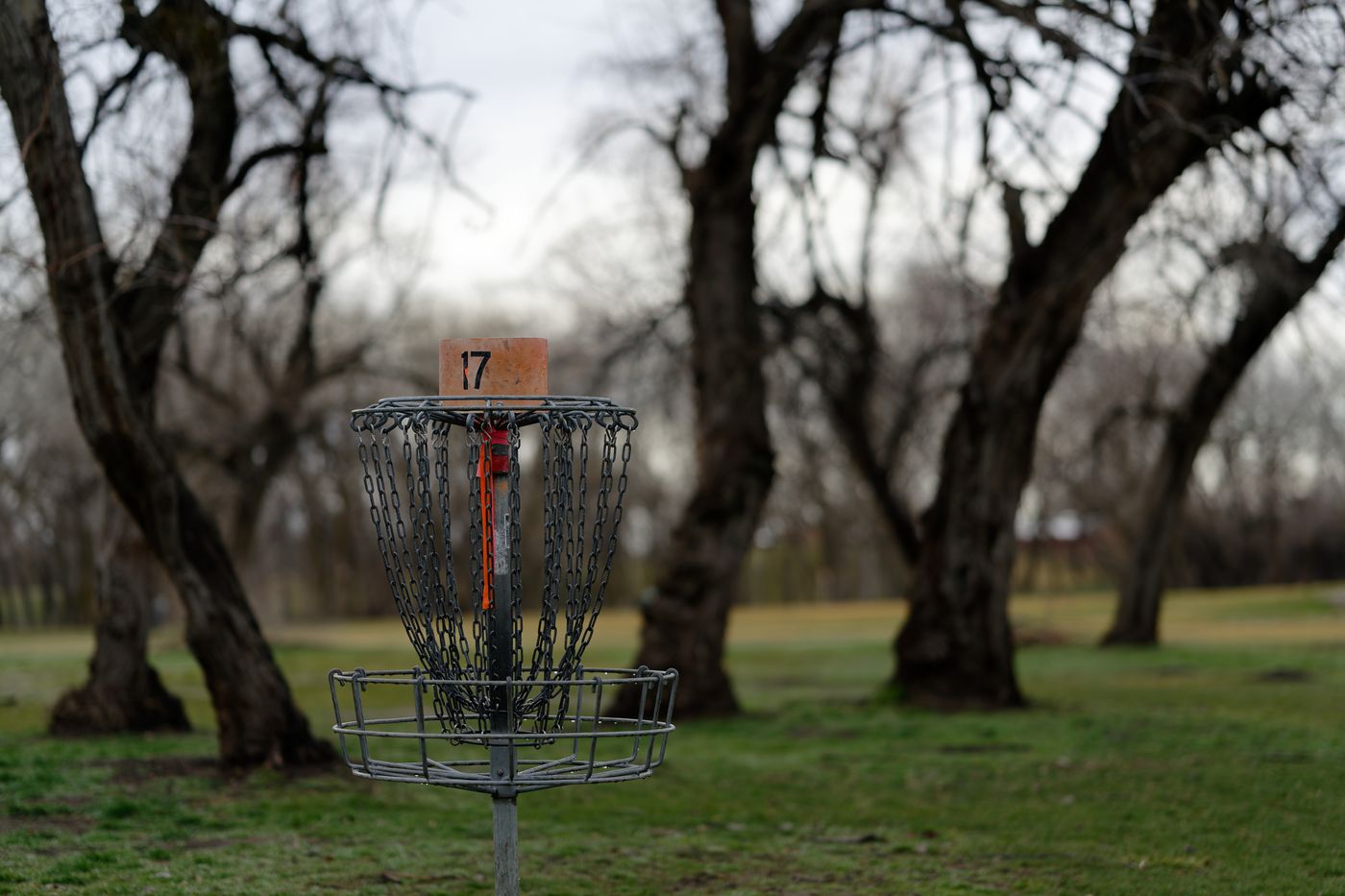
Seventeen · the clock does not care that it is beautiful out
Why it's called Disco Golf
Because the score is throws plus time, speed is never free. Rush and your throws fall apart. Crawl and the clock eats whatever your accuracy earned you.
Somewhere in between is the tempo where you score best, and we think it sits about where a disco track does — near 120 beats a minute, which is also roughly the cadence of a good brisk walk. It is a starting suggestion, not a rule. There is a playlist for it.
Where this goes
Every course on earth holds two titles: the Current Record for the lowest combined number, and the Founding Record for the first Disco Golf round ever played there, which is permanent however slow it was. Almost all seventeen thousand of them are still unclaimed.
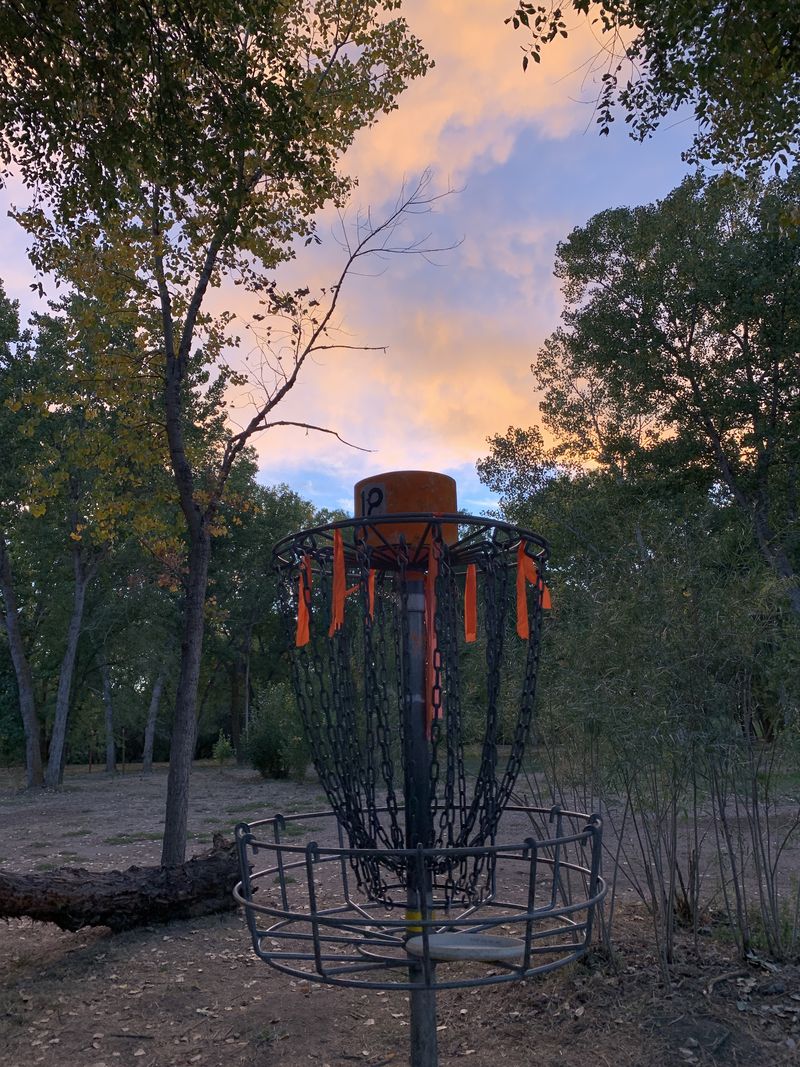
Seventeen thousand courses. Yours is one of them.